
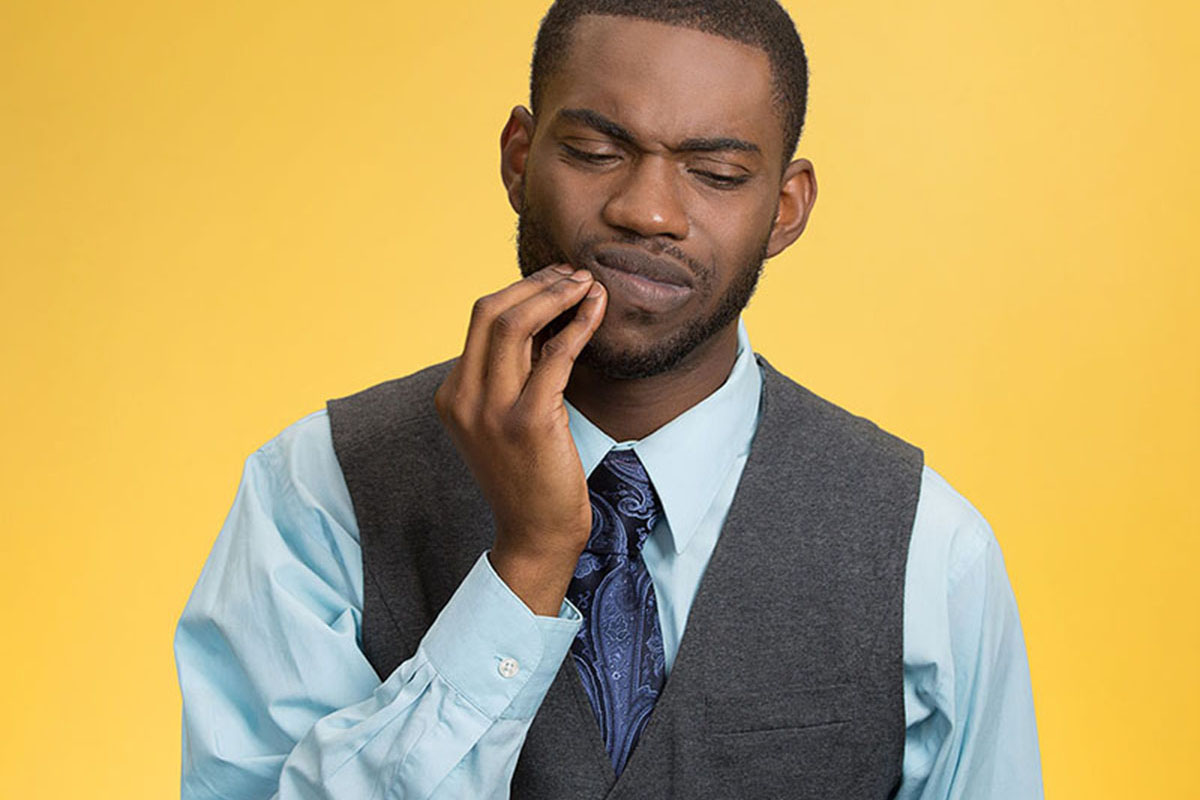
1. Understanding TMJ Disorder: Symptoms and Impact
TMJ disorder is caused by problems with your temporomandibular joint (TMJ). The TMJ is a hinge-like joint that connects your skull to the jawbone. If you have a TMJ disorder, you may find it painful or uncomfortable to speak, chew your food, or even yawn. Here are some of the symptoms of TMJ disorder:
- Migraines
- Frequent headaches
- Pain or tenderness in the jaw
- Clicking or popping noises when you close or open your mouth
- Shoulder pain
- Neck pain
- Chewing and speaking is more difficult
- Locking jaw
- Limited jaw mobility
2. Common Causes of TMJ Disorder
There isn’t just one cause for TMJ disorder. Sometimes, it results from structural and muscular factors, behavior, and lifestyle. Poor teeth alignment can force your jaw into an unnatural position and can restrict dental arch development.
Stress can trigger jaw clenching or teeth grinding. These behaviors can make pain and inflammation worse. One of Dr. Zils’s patients said that years of unconsciously clenching her jaw during high-pressure work days eventually caused headaches and soreness in the jaw.
3. Diagnosis Is the First Step to Finding Relief
Before you can find a solution to TMJ disorder, you need a proper diagnosis. At Leah Zils, DDS, your evaluation process starts with examining your jaw joint, the alignment of your muscles, and your bite alignment. Dr. Zils uses advanced diagnostic tools to pinpoint the root cause of your symptoms. Then, she’ll create a personalized treatment plan for you.
4. Stress and TMJ Symptoms
One of the leading causes of TMJ disorder is stress. In some cases, patients clench their jaws without even realizing it. This especially happens when people feel anxious or overwhelmed. This habit can rapidly escalate TMJ disorder. Techniques that include deep breathing, exercising regularly, and practicing mindfulness can help.
5. TMJ Treatment Options That Work for You
TMJ treatment isn’t a one-size-fits-all solution. The disorder is complex, and every patient is different. Dr. Zils has found that many patients respond well to splint therapy. A splint can decompress the jaw, stabilizing the joint. Other options include physical therapy or bite adjustments.
6. Lifestyle Changes Can Help With TMJ Pain
Your daily habits can make your TMJ symptoms worse, but you can make small changes to reduce the risk of flare-ups.
- Good posture when sitting at a desk.
- Avoid chewing gum, chewy foods, or foods that are tough.
- Cold packs or heat compresses can help relax your jaw muscles.
- Try jaw exercises and/or stretches.
- Consider yoga or meditation.
- Sleeping on your back.
- Limiting caffeine and alcohol, both of which can increase tension.
7. The Importance of Professional Care in TMJ Disorder Treatment
To learn more about TMJ causes and Treatment in the Woodlands, TX, contact Dr. Leah Zils at Leah Zils, DDS. Dr. Zils’s patients have shared their inspiring stories of chronic headaches vanishing and a return to normal life.


